
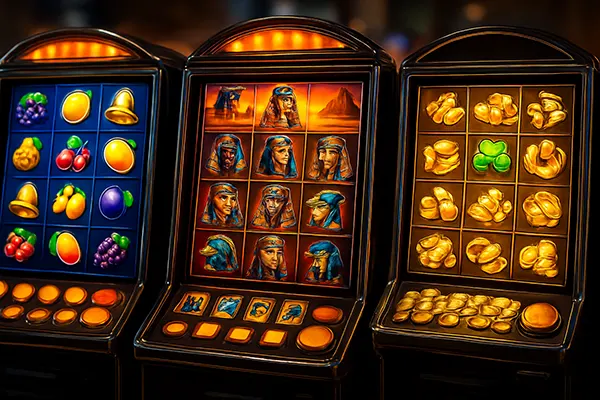
Slot machines often appear similar on the surface when they share the same theme, visual concept or narrative. However, behind these common elements lies a complex technical framework that determines performance, volatility and return-to-player percentages. Understanding why such differences arise helps players make informed choices and clarifies how modern studios design titles for diverse audiences.
The return-to-player percentage is shaped by mathematical models that operate independently of a slot’s theme. Even when two games share identical visual motifs, each title may rely on a distinctive probability structure, affecting how often winning combinations occur and how payouts are distributed across the paytable. Developers build these models based on market requirements, jurisdictional rules and intended player experience.
A slot developed for markets with strict regulatory standards may require a specific RTP range, leading to adjustments in hit frequency and prize weighting. Conversely, games aimed at casual players may focus more on entertainment flow, using mechanics that rely on frequent but smaller wins. These differences influence the long-term payout behaviour, despite thematic similarities.
Studios may also release several RTP versions of the same game to comply with local laws or meet operators’ commercial preferences. As a result, two slots with the same theme may behave very differently depending on where they are played and which configuration has been implemented.
Volatility determines how unpredictable a game feels, and it significantly contributes to mechanical differences between themed slots. One game may focus on high-risk gameplay with rare but substantial rewards, while another prioritises consistent low-value hits to keep the session stable. Developers choose volatility based on the emotional profile they want to achieve, not on the theme.
The paytable also plays a crucial role. Identical symbols across differently tuned games may pay completely different amounts due to how the underlying model distributes probabilities. Even if two slots display the same artwork or storyline, their paytable logic may represent distinct design philosophies aimed at different types of players.
Some studios modify symbol frequency, reel weighting or special symbol occurrence rates. These hidden details create dramatic shifts in expected outcomes and ensure that games with similar themes offer diverse experiences.
Slots with matching themes often incorporate contrasting mechanics to stand out in a competitive market. Features such as cascading reels, expanding wilds, multipliers or progressive elements can be used differently depending on the developer’s design goals. Even when themes overlap, these mechanics alter both pacing and potential outcomes.
Bonus rounds often introduce the most significant differences. A shared thematic background may lead to similar visual ideas, but the structure of the bonus – such as free spins triggers, multiplier progression or symbol collection goals – may significantly diverge. These changes influence unpredictability, engagement levels and reward patterns.
Modern game engines offer developers enormous freedom, allowing them to combine various reel sizes, paylines and algorithmic features. This flexibility contributes to the wide mechanical diversity observed among similarly themed titles, ensuring that no two games behave identically.
Different studios rely on various engines and software frameworks, which determine how features are implemented. While the theme can be easily replicated, the technical capabilities of each engine dictate the range of mechanics a developer can include, influencing RTP structure and volatility design.
Some engines support dynamic payways, random reel modifiers or grid-based layouts. Others focus on traditional reel sets with fixed paylines. These disparities lead to different mathematical calculations and pacing models even if the thematic direction remains consistent.
Furthermore, studios may update an engine over time, producing newer releases that feel smoother, more responsive and mechanically richer. When the same theme appears across titles released years apart, the mechanical evolution between versions becomes evident.

Local regulations can restrict or mandate specific RTP values, bonus structures or maximum payouts. Developers must adjust their formulas to comply with each region’s laws, causing significant discrepancies between otherwise similar themed slots. This regulatory fragmentation is especially noticeable in jurisdictions with strict responsible gaming guidelines.
Commercial strategies also have a major impact. Some operators request lower-RTP versions to align with their business models, while others prefer balanced profiles to appeal to broader audiences. A shared theme does not override these custom settings; instead, mathematics is adapted accordingly.
In addition, licensing agreements and collaborative projects between studios may introduce constraints that affect mechanics. When a theme is part of a brand partnership, each associated title may require unique gameplay differentiation to meet contractual expectations or market positioning goals.
Developers often design multiple games around the same theme to appeal to distinct player groups. Casual players may prefer straightforward mechanics with familiar features, while experienced users seek deeper gameplay with high volatility and complex bonus rounds. This segmentation results in themed games that look similar but perform differently.
Geographical trends also shape the final product. Markets with strong interest in high-risk models encourage studios to produce themed games with intense volatility, while regions favouring moderate gameplay receive more balanced versions. The theme acts only as an aesthetic layer over these carefully tuned models.
As consumer behaviour evolves, studios continually test new mathematical approaches within familiar themes. This process ensures thematic continuity while offering fresh mechanical experiences tailored to diverse player expectations.